
Composite Decking for Minnesota Homes
Enjoy the natural look of wood without the sanding, staining or sealing.
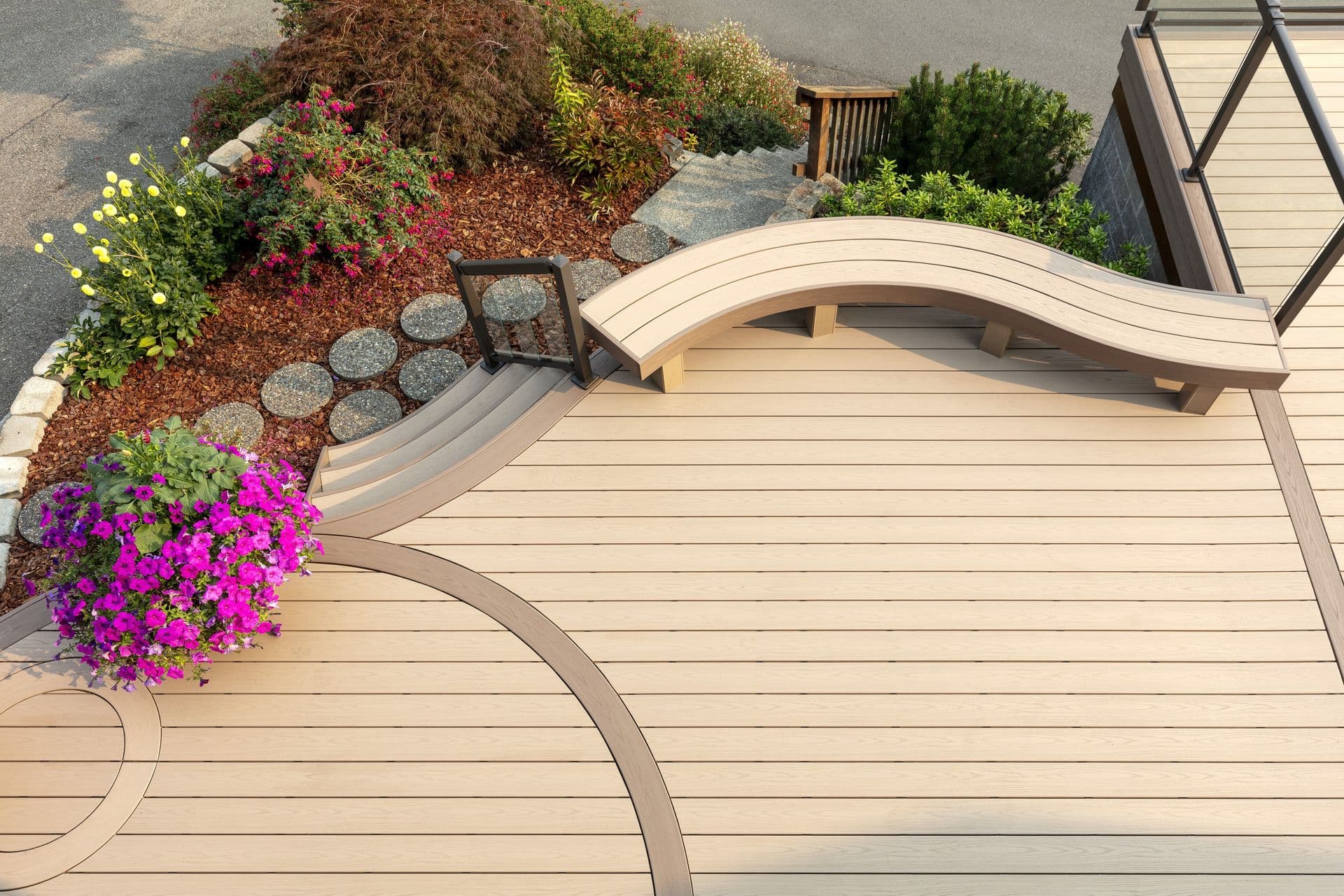
Why Homeowners Choose Composite Decking
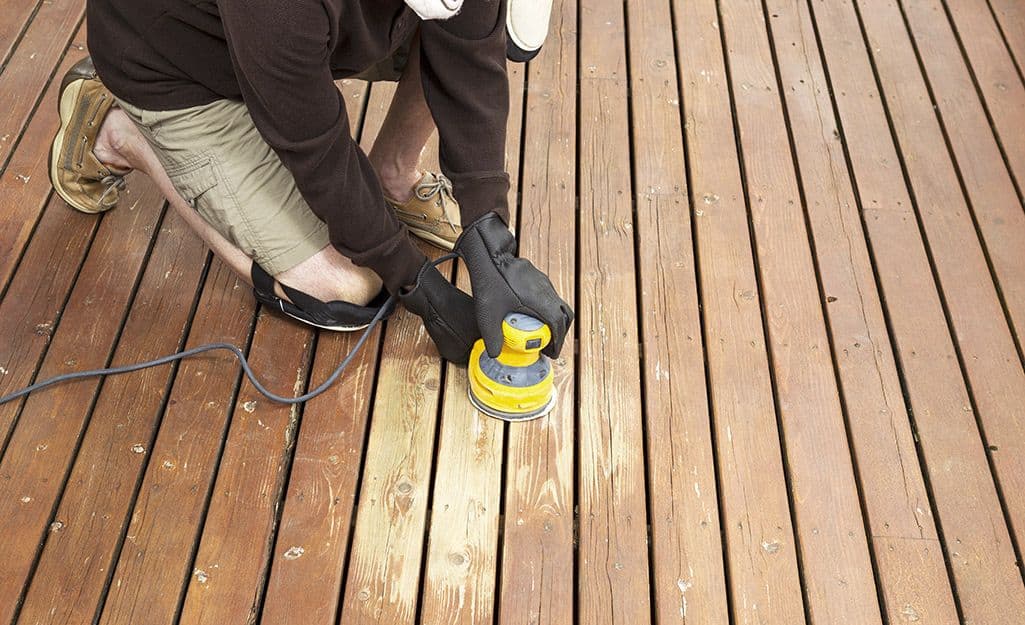
Wood decking needs ongoing maintenance to help protect it from moisture, sunlight and everyday exposure. That can mean cleaning, sanding, staining and sealing the deck throughout its life.
Composite decking eliminates most of that work. Routine cleaning is still important, but the boards do not need to be stained, sealed or painted to maintain their protective surface.
That means more time enjoying your outdoor space and less time working on it.
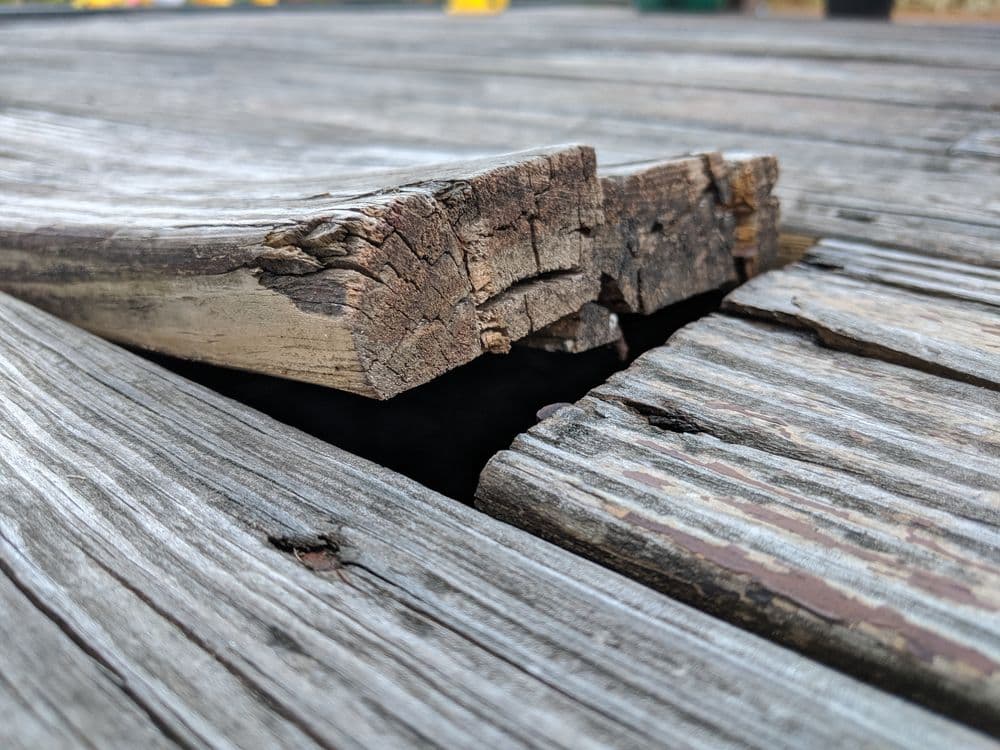
Composite decking is designed to resist many of the common problems associated with natural wood. It will not split, splinter or rot the way an unprotected wood board can.
This is especially valuable on areas where people frequently walk barefoot, such as stairs, poolside decks and backyard entertaining spaces.
Composite decking is durable, but it is not indestructible. Scratches, grease, standing debris and improper cleaning can still affect its appearance. Proper installation and reasonable care remain important.
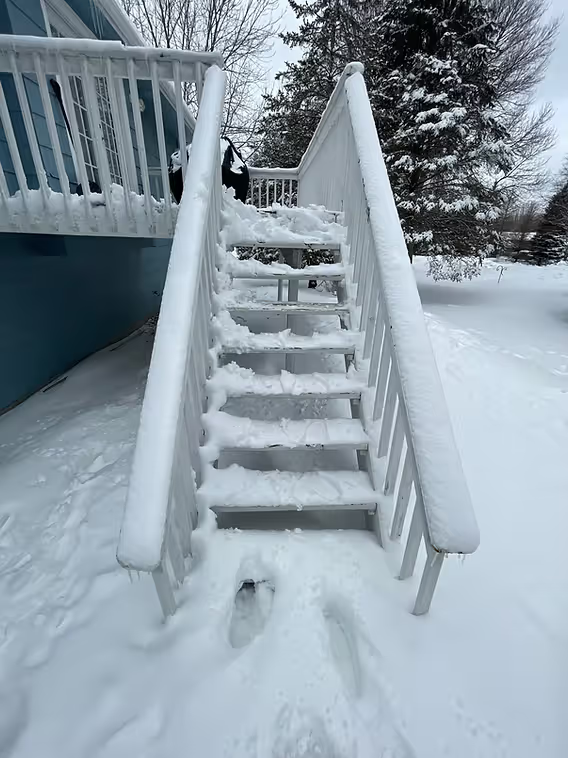
Minnesota decks are exposed to snow, rain, summer heat, humidity and repeated temperature changes. A deck surface must be able to handle those conditions without requiring constant maintenance.
The protective cap on TimberTech composite decking helps limit moisture exposure and resist fading and staining. Proper board spacing, ventilation, flashing and drainage are also essential to the deck’s long-term performance.
Composite decking can perform very well in Minnesota, but the deck beneath it matters just as much as the surface. The framing, footings, ledger connection and water-management details must all be designed and installed correctly.
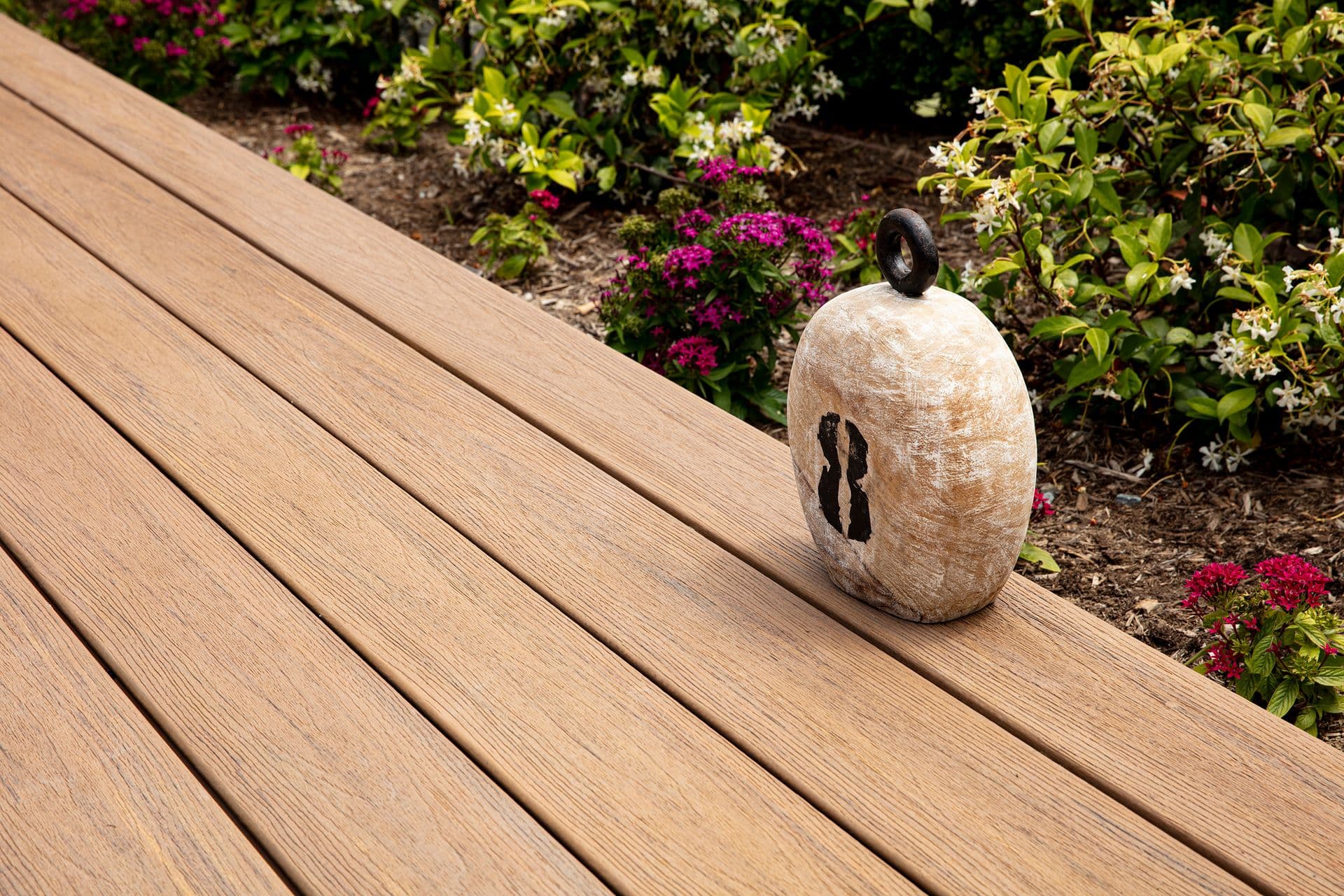
Modern composite decking looks considerably more natural than earlier generations of synthetic decking. TimberTech offers multiple grain patterns, textures and color variations inspired by stained lumber, reclaimed wood and premium hardwoods.
Homeowners can choose from:
- Warm brown, tan and gray colors
- Solid or blended color patterns
- Subtle or heavily textured wood grains
- Contrasting borders and picture-frame designs
The result can be a simple, traditional deck or a highly customized outdoor living space.
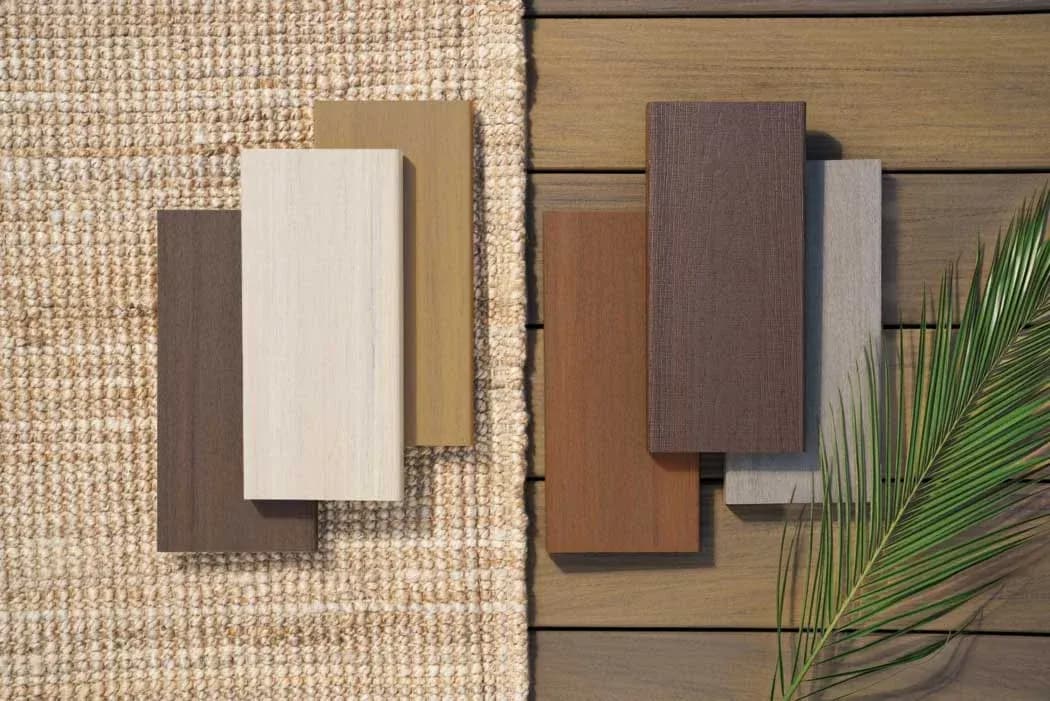
Composite decking is available at several price levels. Entry-level collections provide low-maintenance performance and straightforward colors, while premium collections offer more detailed grain patterns, richer color blending and enhanced protection.
This makes composite decking a flexible option for homeowners who want better performance than wood without necessarily moving into the price range of premium PVC decking.

TimberTech states that its composite decking is manufactured in the United States using up to 85% recycled material. This includes reclaimed wood fibers and recycled polymers that would otherwise require new raw materials. Learn more about TimberTech composite decking.
What Is Composite Decking?
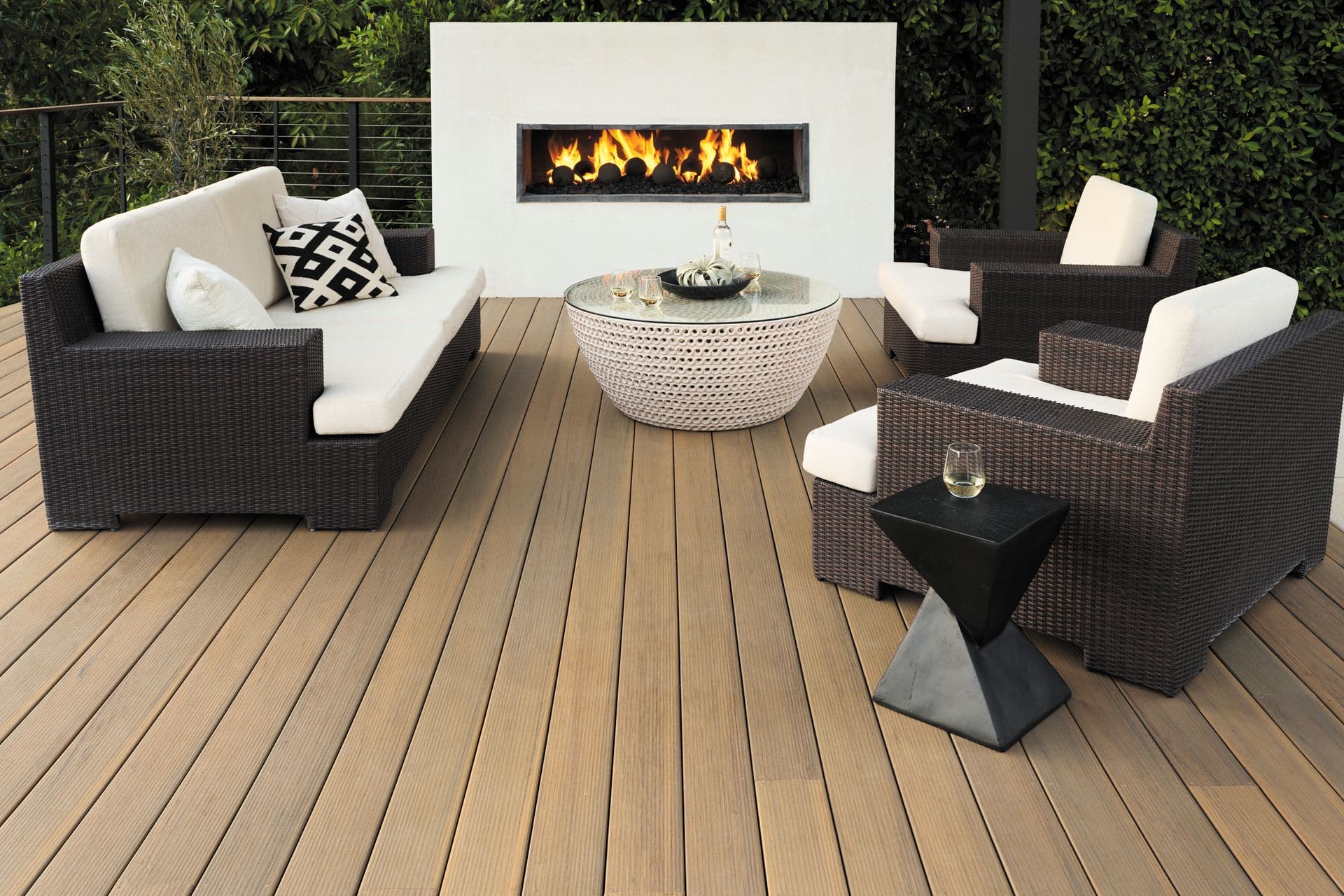
Composite decking is an engineered decking material made from a combination of wood fibers and high-performance polymers. Unlike traditional wood boards, composite decking is protected by a durable outer cap that helps resist moisture, fading and staining.
This protective surface allows composite decking to maintain its appearance with significantly less maintenance than pressure-treated or cedar decking. It does not require routine sanding, staining or sealing.
It is important to understand that composite decking and PVC decking are not the same material. Composite boards contain wood fibers, while PVC decking is manufactured without wood fibers. Both are low-maintenance alternatives to wood, but each offers different advantages.
Composite Decking vs. Wood Decking
Both materials can create an attractive deck, but their maintenance and long-term performance are different.
Feature | Composite Decking | Wood decking |
Initial investment: | Generally Higher | Generally Lower |
Routing Staining or sealing: | Not required | Typically required |
Splinters: | Will not splinter like wood | Possible as boards age |
Moisture resistance: | Protected by engineered capping | Depends on treatment and upkeep |
Color options: | Consistent and prefinished | Natural or field-stained |
Maintenance: | Periodic cleaning | Cleaning, staining and sealing |
Board replacement: | Matching can depend on product availability | Common lumber is usually easier to source |
Appearance: | Engineered wood grains and colors | Genuine natural wood |
TimberTech Composite Decking Collections
We install TimberTech decking because its product lineup gives homeowners meaningful choices in appearance, performance and price. The following collections range from practical, value-oriented boards to premium composite products with highly detailed wood looks.
Product colors and availability can change. We recommend viewing physical samples before making a final selection because colors can look different under natural light than they do on a computer screen.
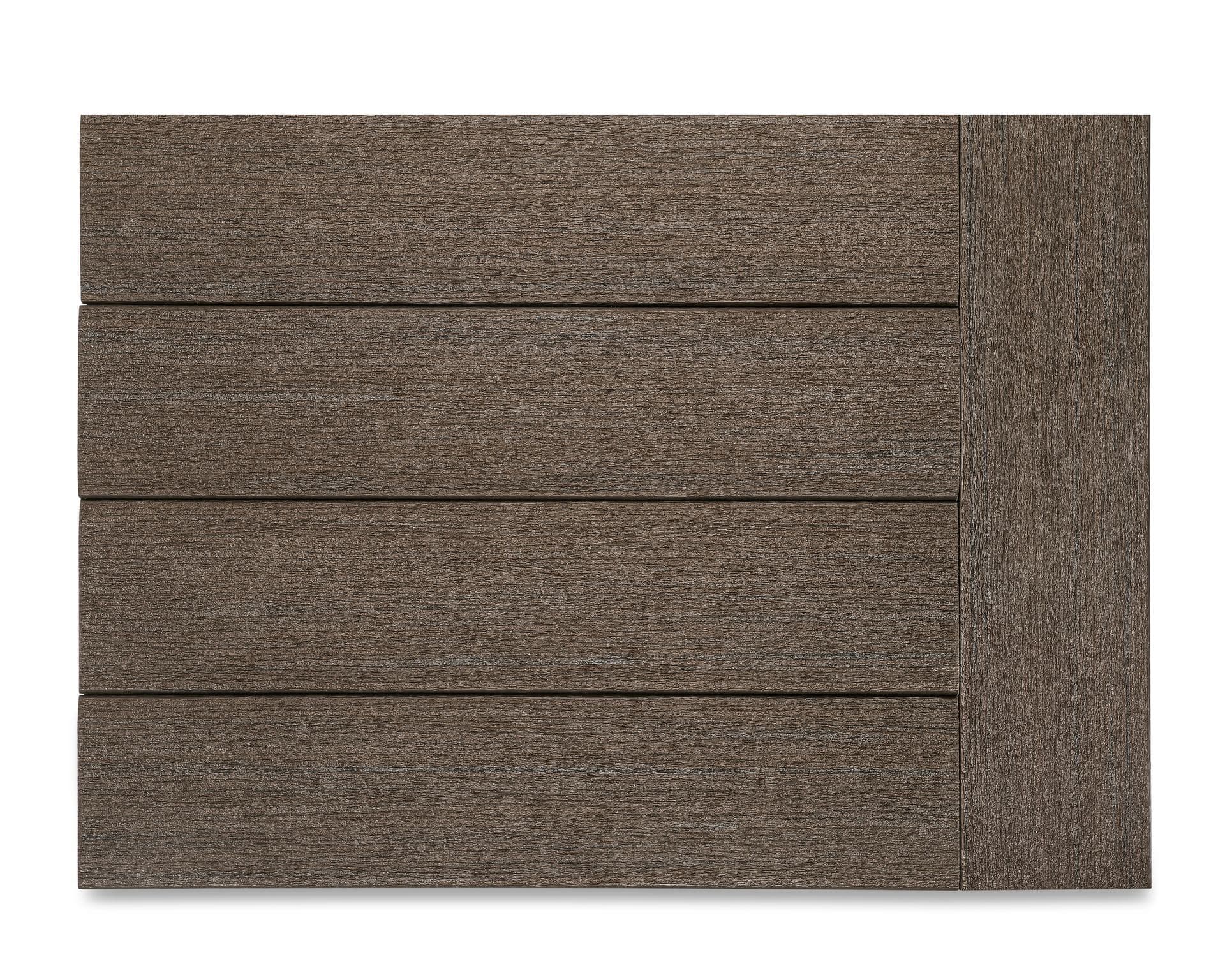
The Prime+ Collection is an accessible entry point into TimberTech composite decking. Its scalloped board profile reduces weight while providing a secure surface underfoot.
Prime+ works well for homeowners who want the essential benefits of composite decking at a more approachable price. Its straightforward colors and wood-grain pattern create the appearance of painted or stained lumber.
Best for: Value-conscious projects and simple, classic deck designs.
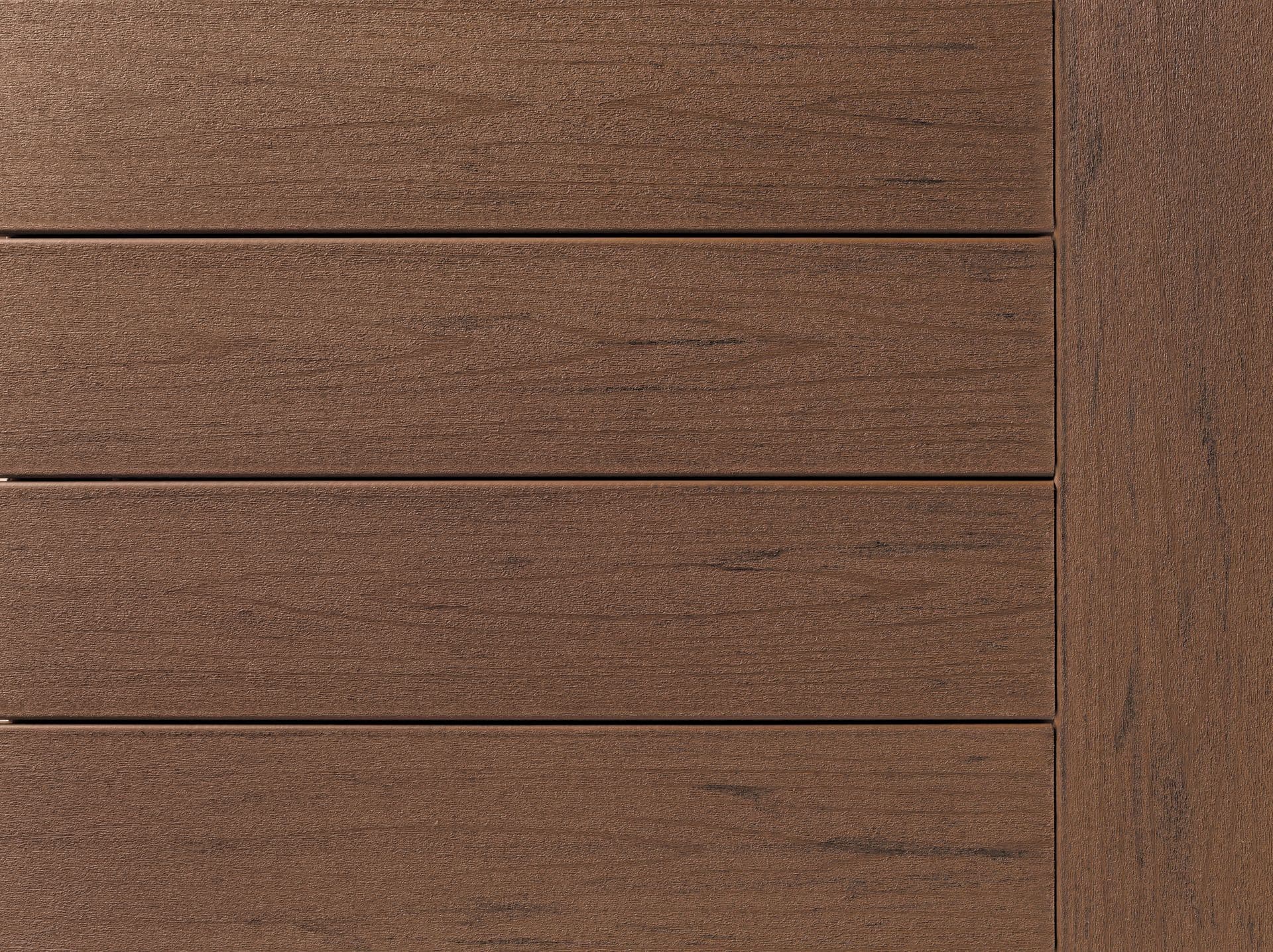
The Terrain Collection features a textured cathedral-grain pattern inspired by traditional lumber. Its colors range from relatively consistent tones to options with more natural variation.
Terrain is one of the most versatile TimberTech collections and works with many home styles, exterior colors and railing systems.
Best for: Homeowners wanting a traditional wood look with balanced performance and value.
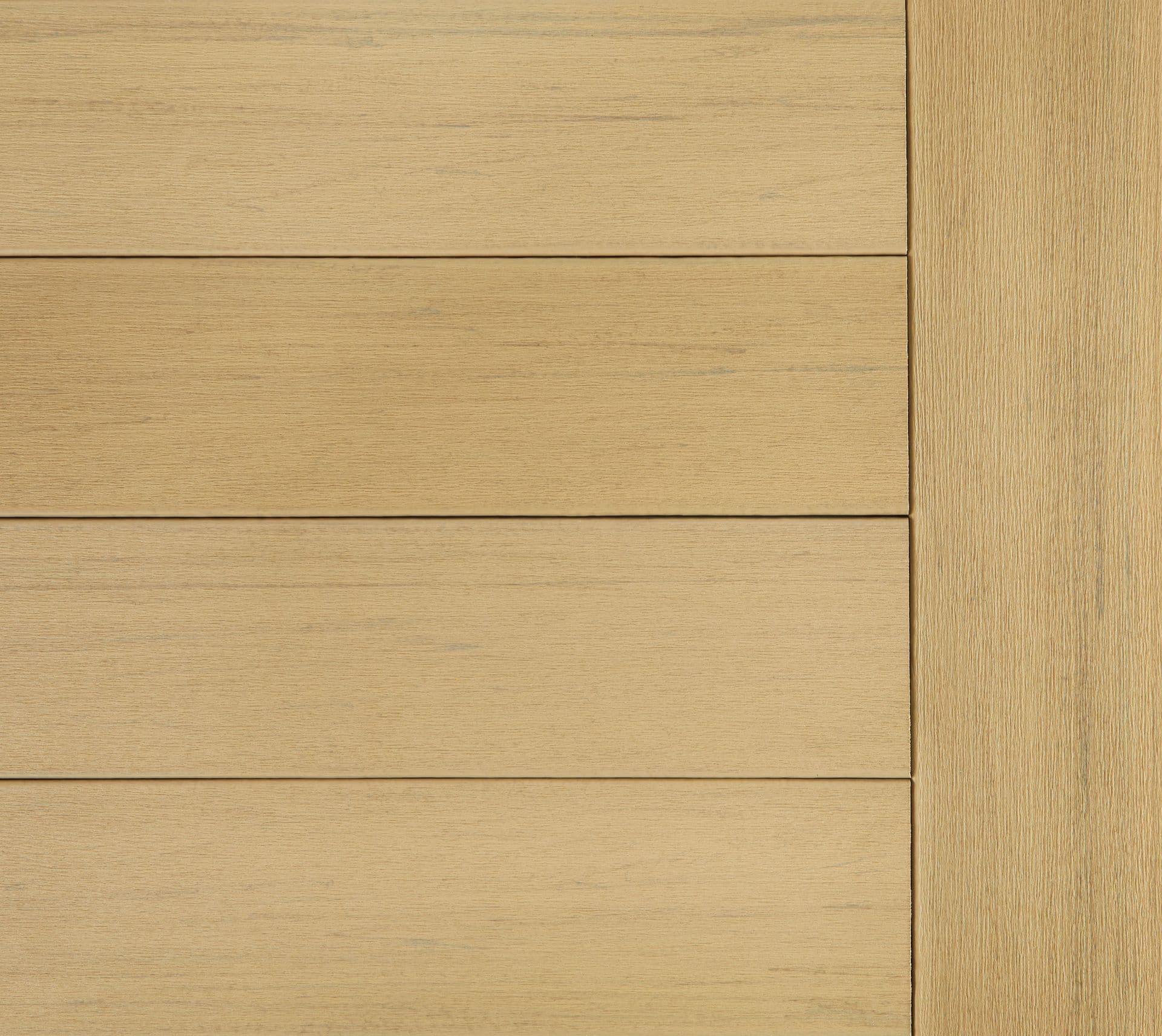
Terrain+ uses more advanced color blending and a subtle grain pattern inspired by sanded oak and walnut. It provides a natural appearance without reaching the price of TimberTech’s premium composite collections.
The blended coloring can add depth to larger deck surfaces and looks especially attractive when combined with a contrasting picture-frame border.
Best for: Homeowners who want upgraded color variation at a mid-range price.
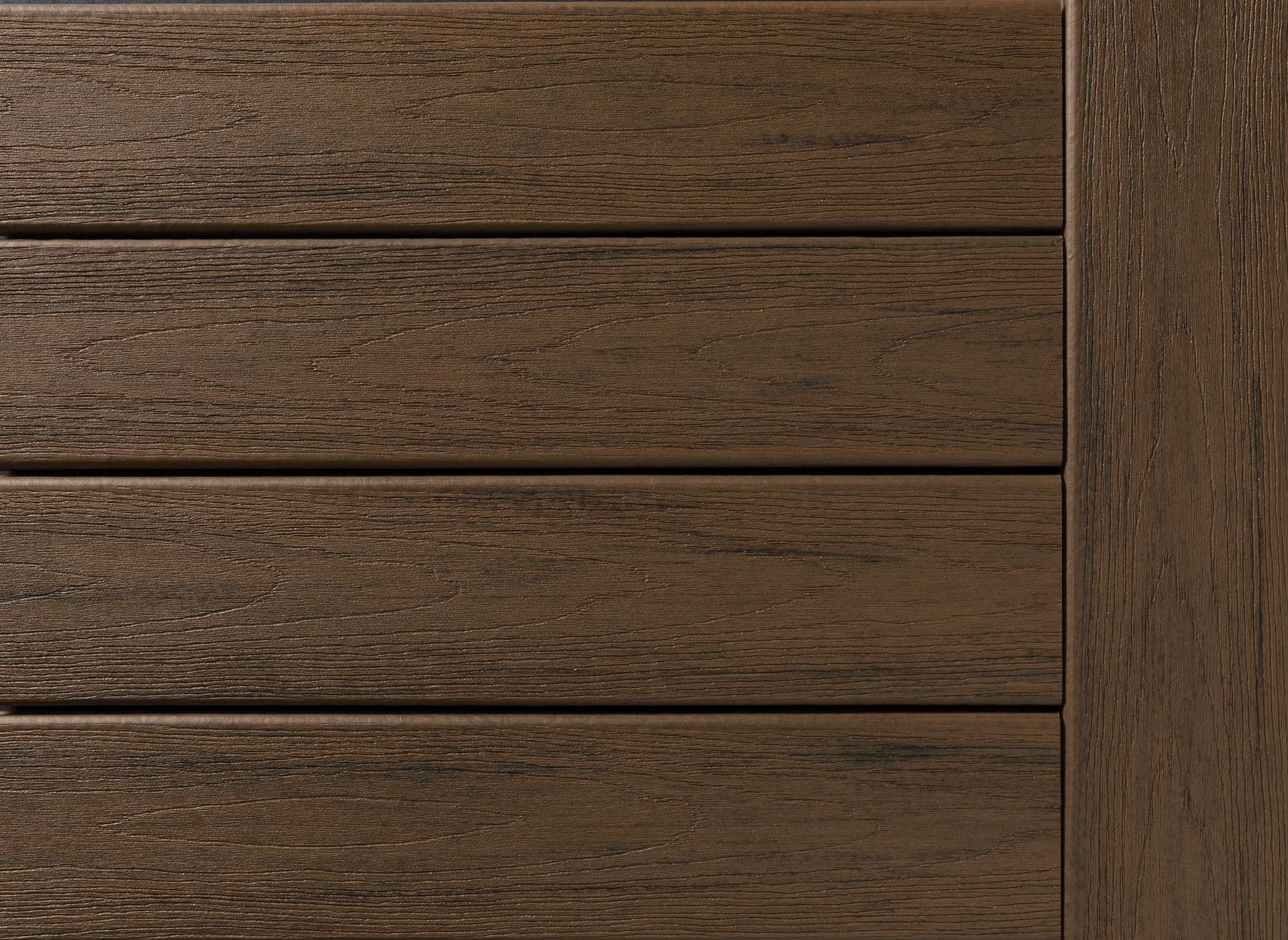
The Reserve Collection is designed to capture the appearance of reclaimed wood. Its rustic colors, low-gloss finish and varied grain give the boards more character than a typical monochromatic composite product.
Reserve is a premium composite option for homeowners who want a dramatic wood appearance without the maintenance demands of real reclaimed lumber.
Best for: Rustic, craftsman and nature-inspired deck designs.
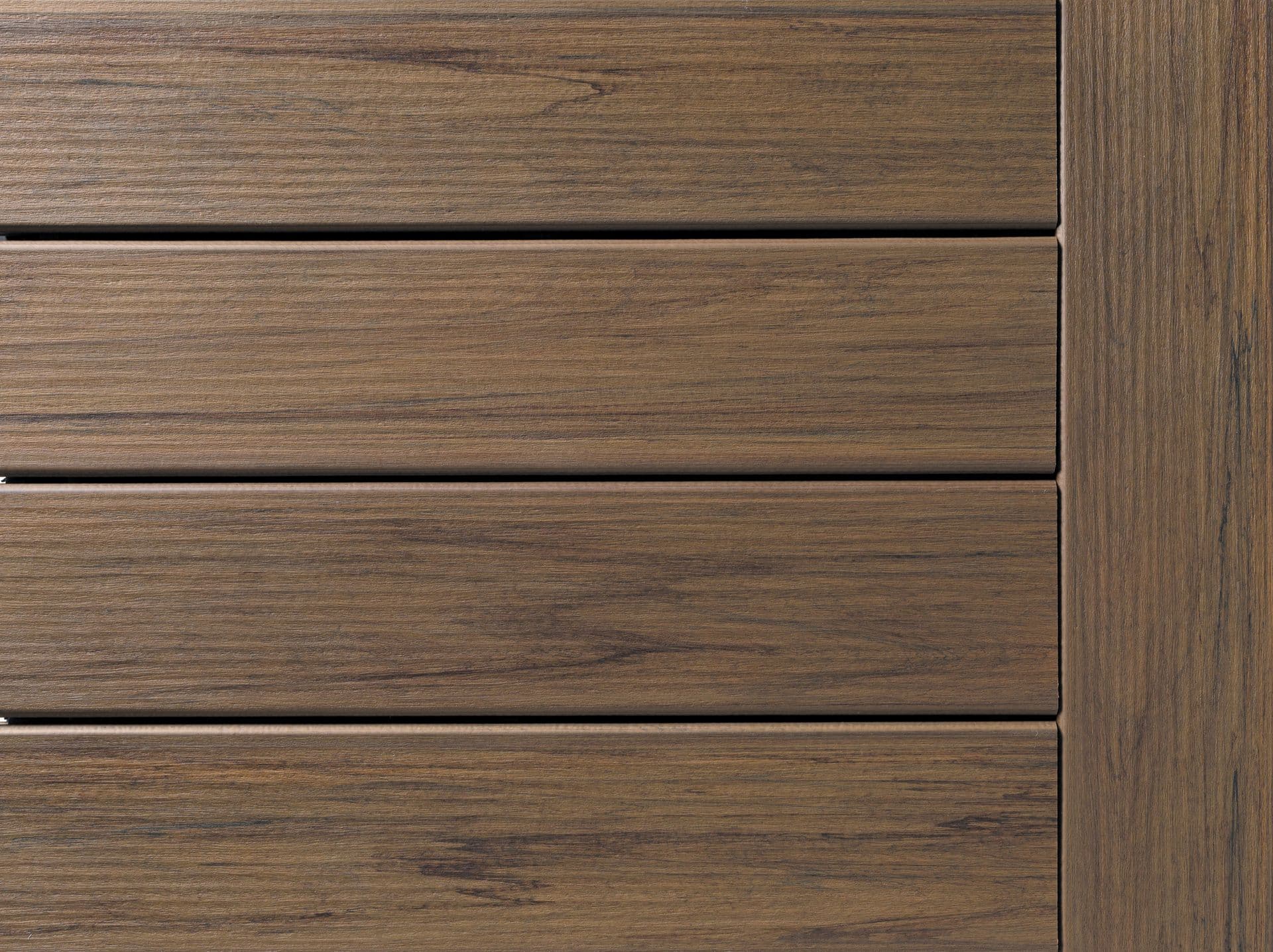
Legacy is TimberTech’s premium composite collection. It features a hand-scraped texture and complex color blending inspired by high-end hardwood.
The detailed grain and board-to-board variation give Legacy a distinctive appearance that works well on large decks, outdoor kitchens and design-focused projects.
Best for: Premium projects where realistic wood character and rich color are top priorities.
A Quality Composite Deck Starts Below the Boards
Composite decking is the visible surface, but it cannot correct an improperly constructed deck frame.
Before installing the decking, the structure must be designed to support the deck, meet applicable building requirements and provide the correct board spacing. Important details include:
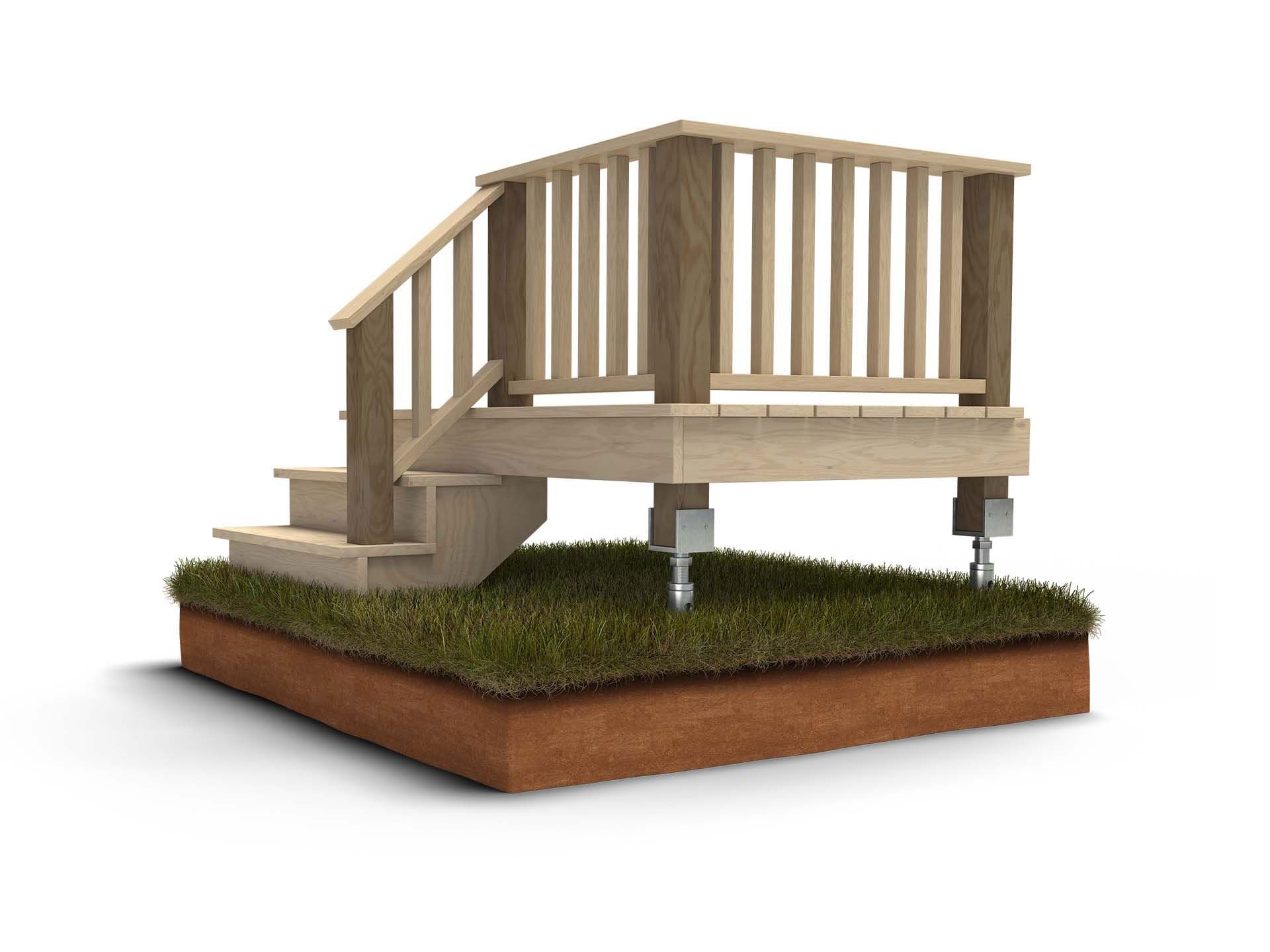
Footings must support the deck’s weight and extend to the required depth to resist movement from Minnesota’s freeze-thaw cycles.
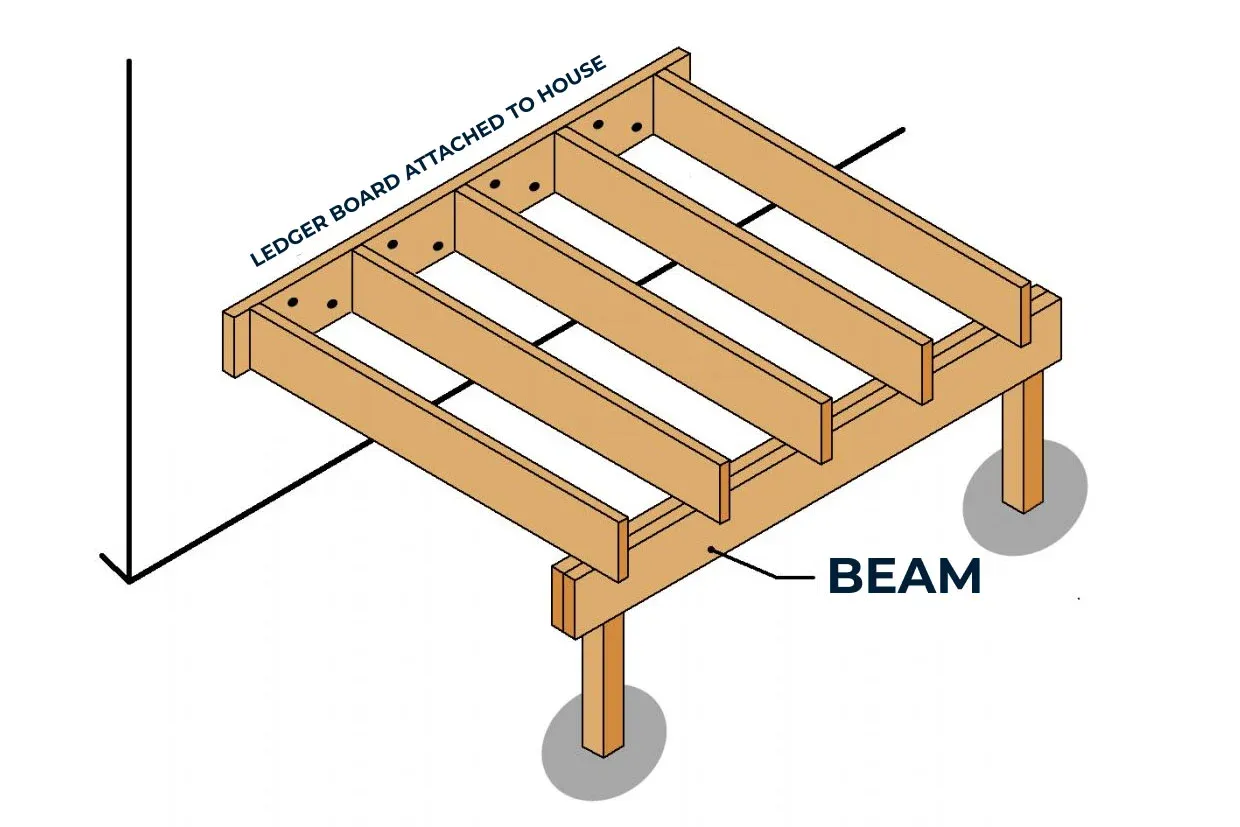
Posts and beams must be positioned to transfer the deck’s weight safely into the footings without excessive spans or unsupported areas.
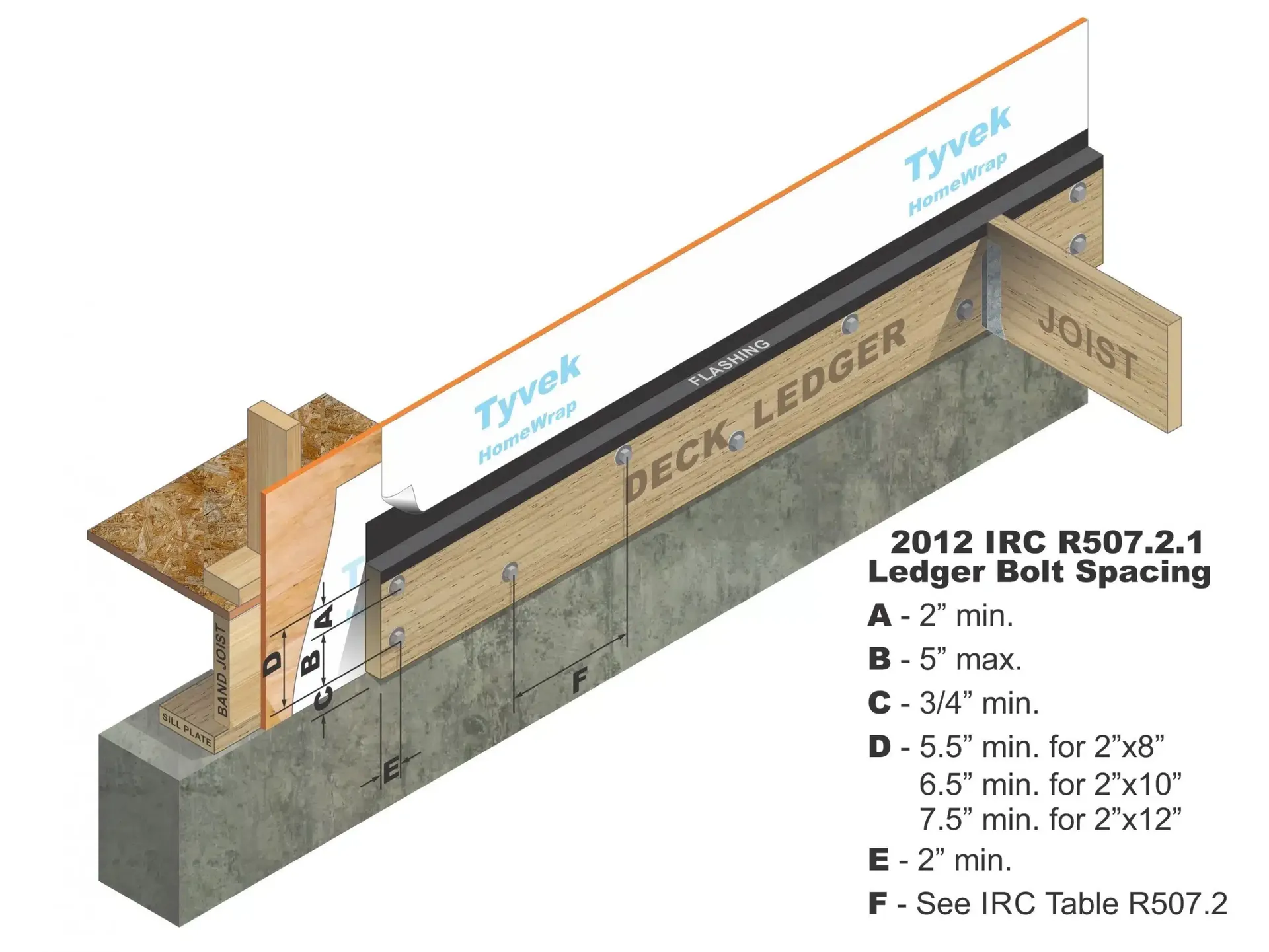
The ledger must be securely fastened to the home’s structure using approved hardware and attachment methods.
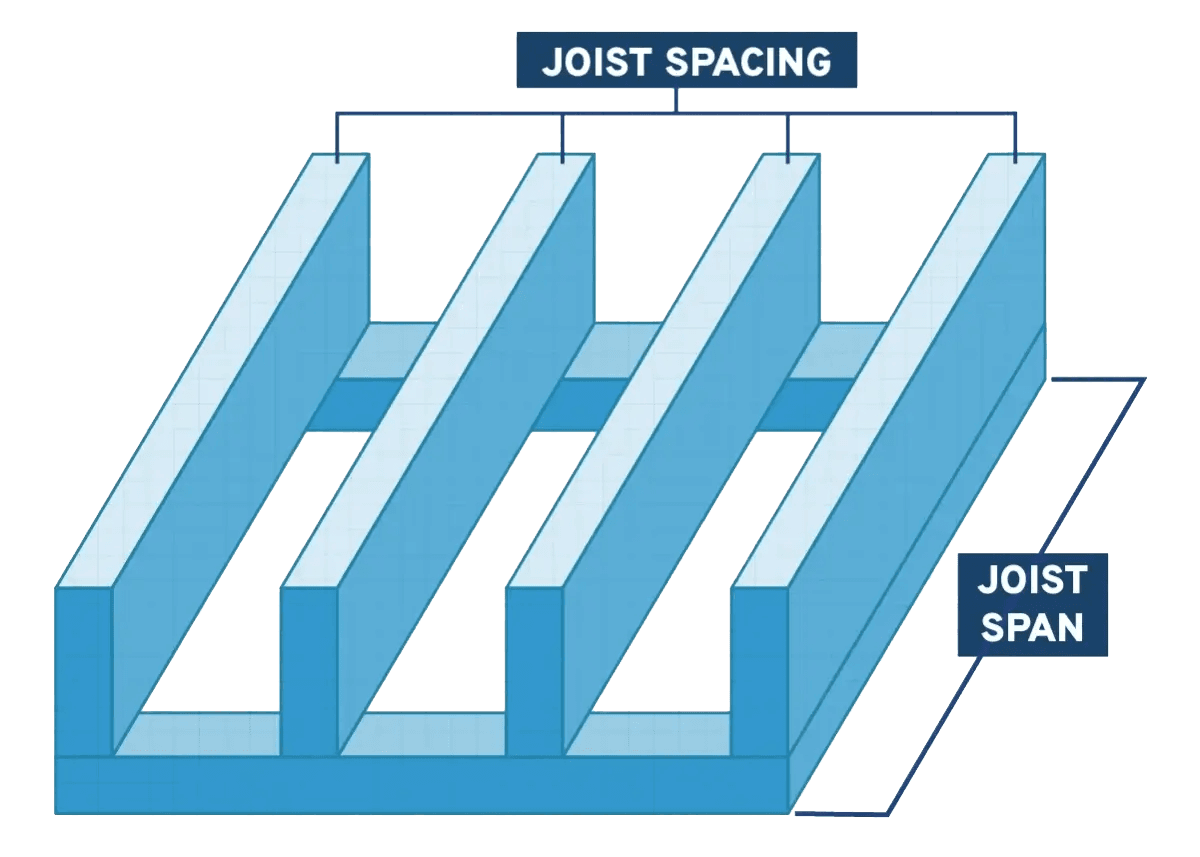
Joists must be properly sized and spaced for the deck’s span, expected loads and selected decking pattern.
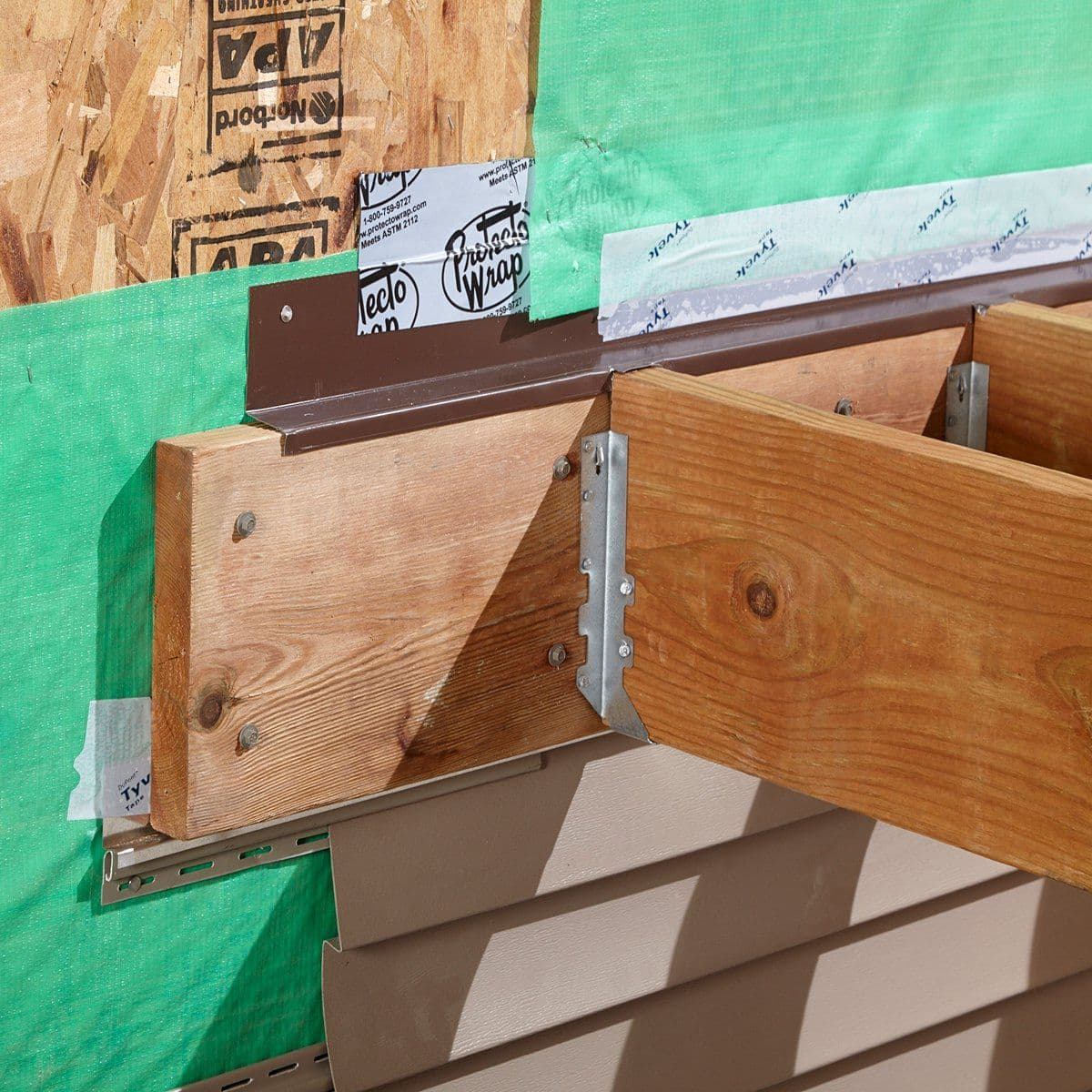
Proper flashing directs water away from the ledger and helps protect the home and deck framing from moisture damage.
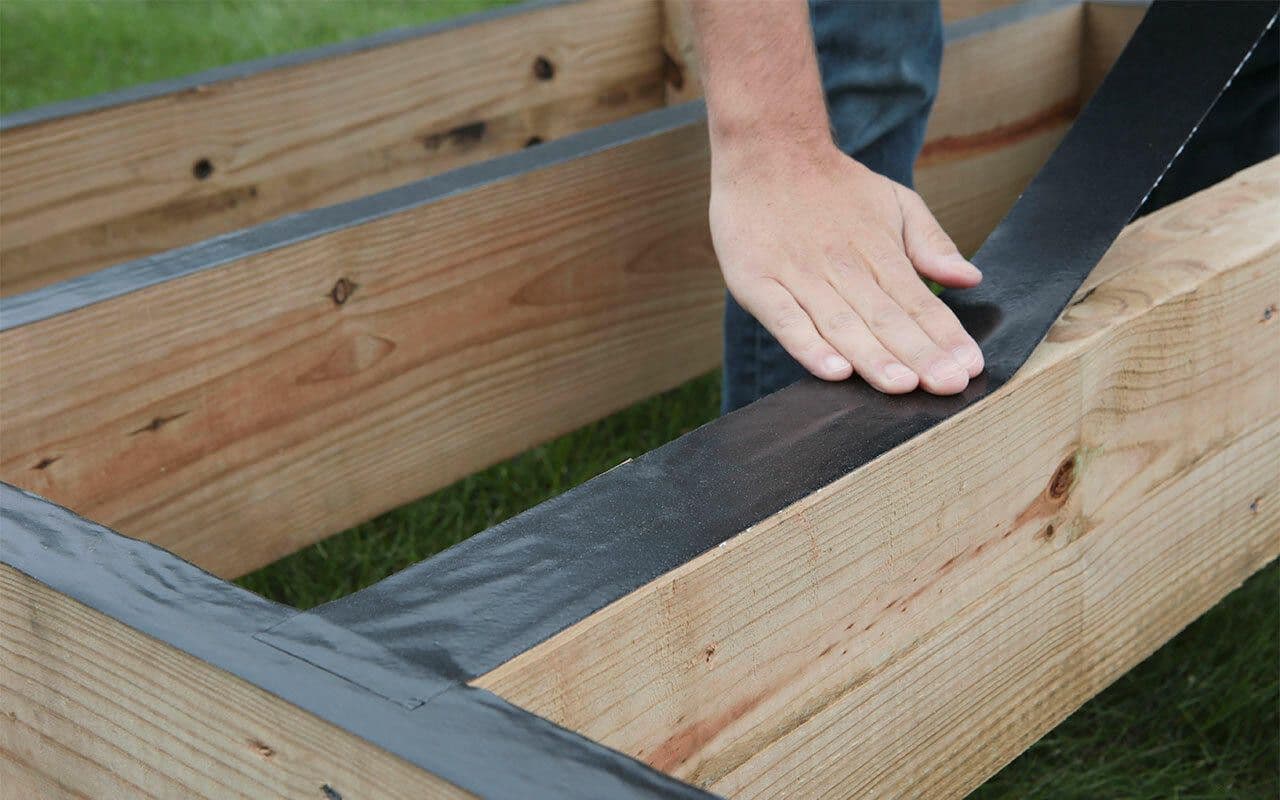
Joist tape can help prevent water from entering screw holes or collecting on top of framing members.
Correct spacing allows for drainage, airflow and normal expansion and contraction of the decking.
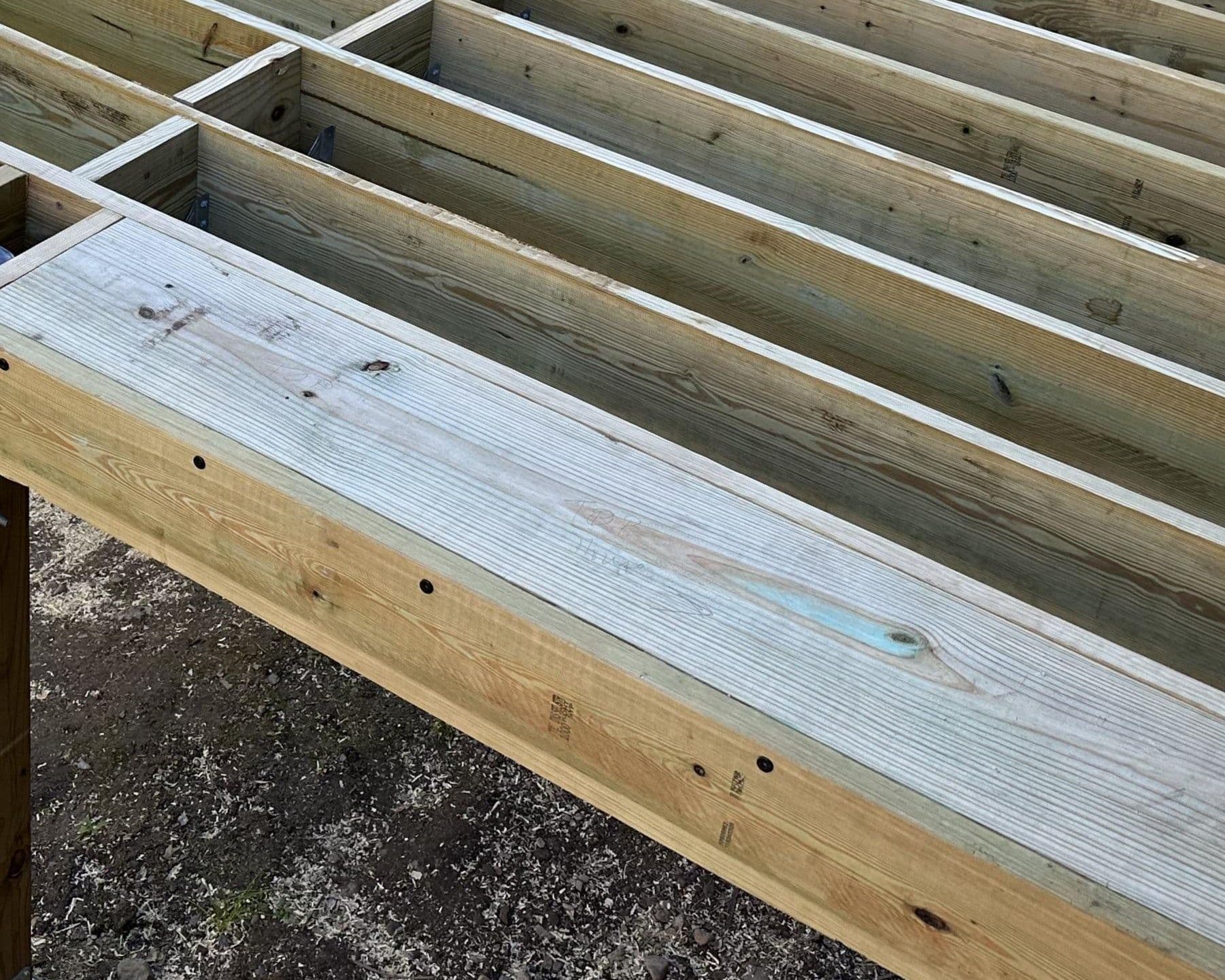
Strategic blocking provides solid support for picture-frame borders, stair components, railing posts and other concentrated loads.
Composite Deck Design Options
Choosing the right decking collection is only the beginning.
The layout and finishing details can make a significant difference in the completed deck.
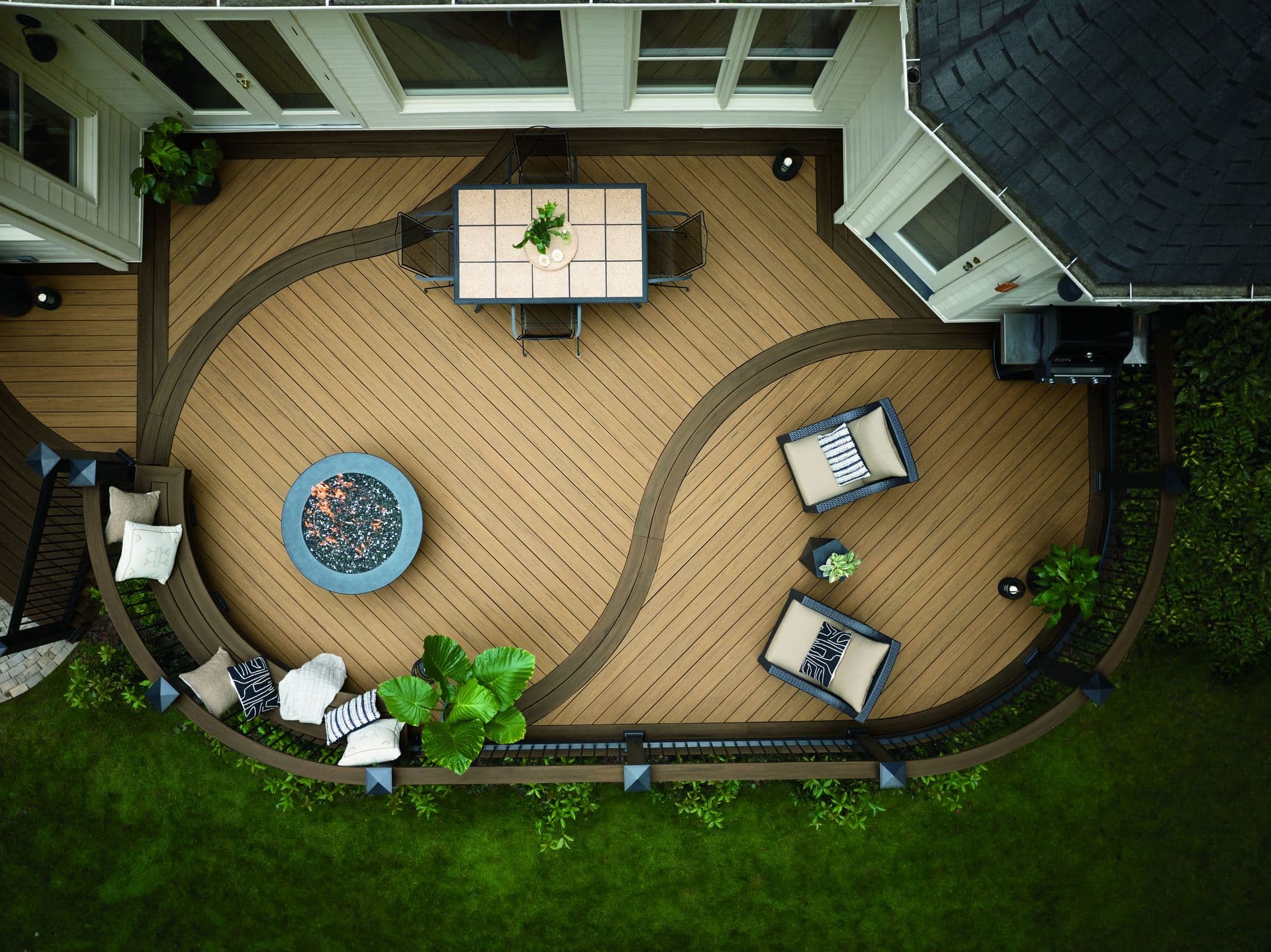
Picture-Frame Borders
A picture-frame border creates a finished edge around the deck and can eliminate exposed board ends. It can match the main decking or use a contrasting color to define the perimeter.
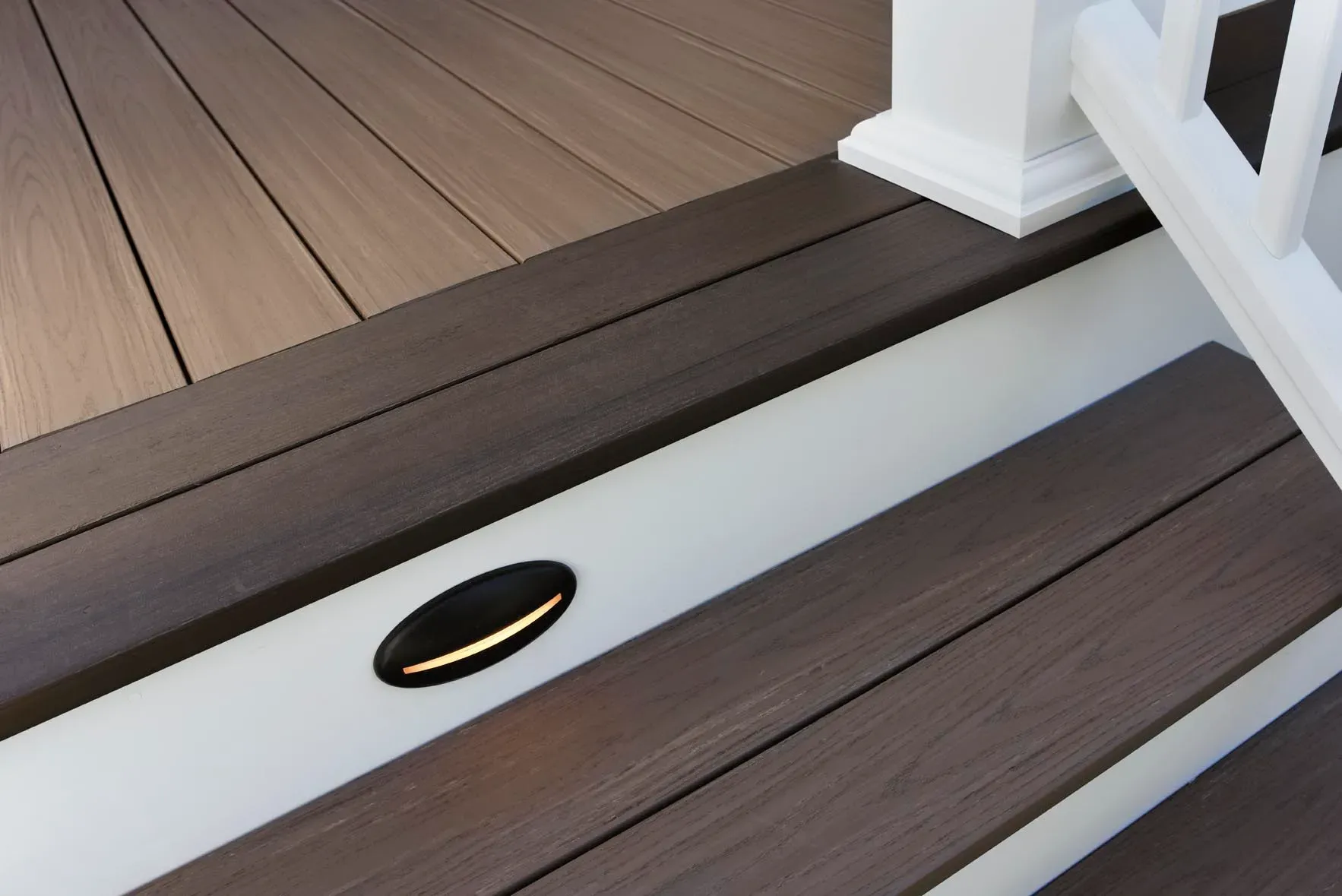
Contrasting Stair Treads
Using a contrasting color on stair treads or borders makes the staircase a visual feature. Integrated riser and post lighting can also improve visibility after dark.
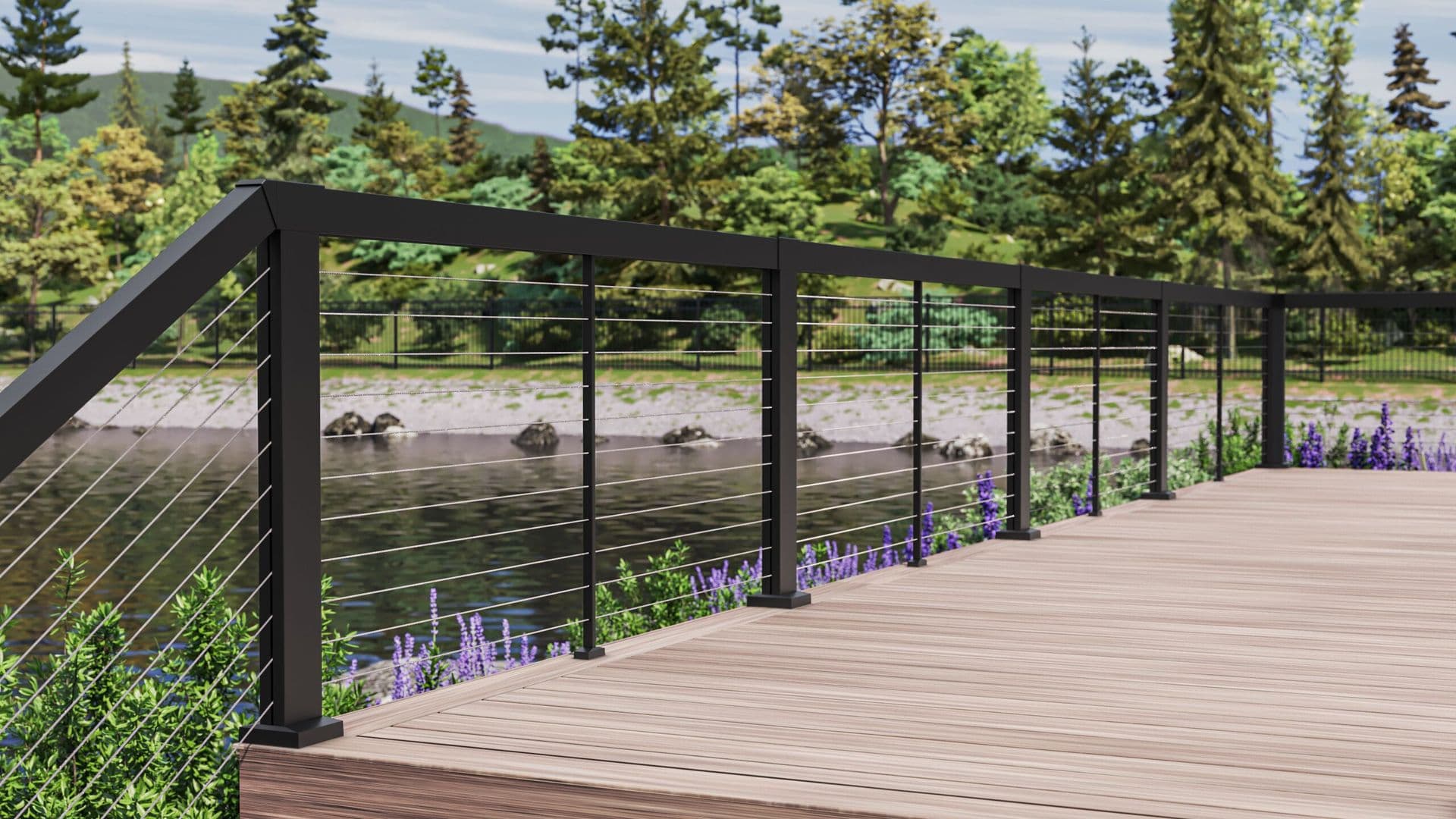
Railing Options
Composite decking can be paired with aluminum, cable or glass railing. MWCR commonly installs railing systems from Westbury, RDI and other trusted manufacturers.
The right railing should complement the deck without unnecessarily blocking the view or making the space feel enclosed.
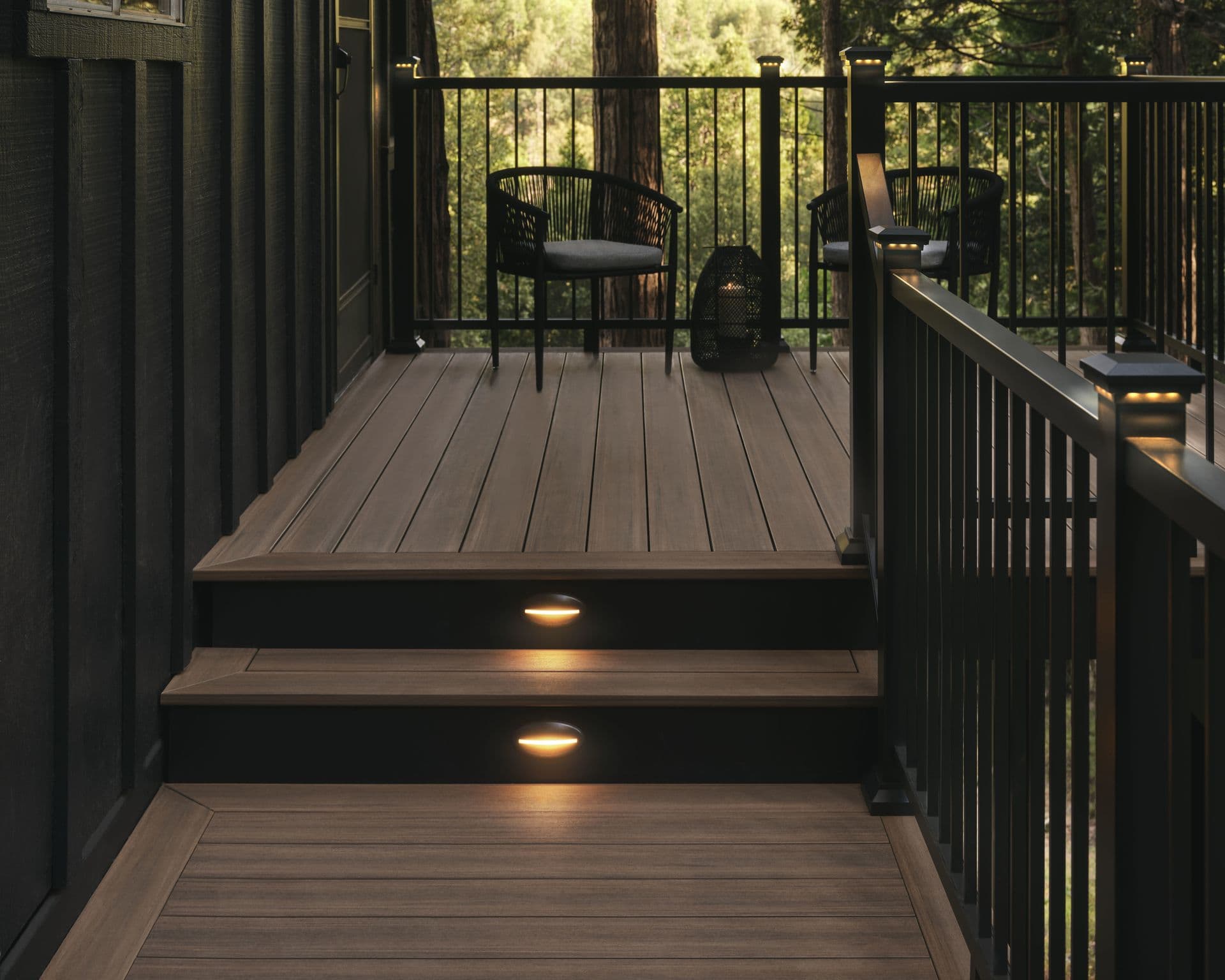
Deck Lighting
Low-voltage lighting can be integrated into posts, stairs and other deck components. Lighting improves nighttime visibility while adding warmth to the outdoor space.

Gates and Drink Rails
Gates are useful for children, pets and elevated decks. A coordinating drink rail creates a convenient surface along the top of the railing without taking up additional floor space.

Start Planning Your TimberTech Composite Deck
The best way to choose composite decking is to see the
colors and textures in person. Our team can help you compare TimberTech collections, explore railing combinations and determine which options fit your home and budget.
Visit our Plymouth showroom or schedule a free estimate at
your property. We will discuss your goals, review the site and help you plan a complete outdoor space built for Minnesota.
Frequently Asked Questions About Composite Decking
Yes. Like wood, PVC and most outdoor surfaces, composite decking can become hot when exposed to direct summer sunlight. Darker colors generally absorb more heat than lighter colors. If your deck receives intense afternoon sun, consider a lighter board color, shaded area or pergola.
Any outdoor surface can become slippery when wet or covered with pollen, leaves, snow or algae. Composite decking has a textured surface, but it should still be kept clean. Proper drainage and routine removal of debris are important.
Composite decking resists everyday wear, but it is not scratch-proof. Dragging furniture, using metal snow shovels or placing sharp objects directly on the boards can leave marks. Furniture pads and plastic snow-removal tools can help protect the surface.
No. The protective cap is designed to provide the finished color and surface protection. Composite boards do not require routine staining, painting or sealing.
The boards are designed to resist moisture and rot, but dirt, pollen, leaves and other organic material can collect on the surface. If that debris remains damp, mildew may develop on the debris. Periodic cleaning helps prevent this.
Grills are commonly used on composite decks, but homeowners should follow the grill manufacturer’s clearance requirements. A compatible grill mat can help protect the boards from grease, sparks and spills. Open flames and hot materials should never be placed directly on the decking.
Depending on the collection, TimberTech composite decking includes a 25- or 30-year limited product warranty and fade-and-stain warranty. The specific warranty should be confirmed when selecting the collection.
MWCR specializes in TimberTech composite and Advanced PVC decking. Focusing on TimberTech allows our team to remain familiar with its collections, installation requirements, fastening systems and warranty procedures.
Yes. MWCR can often reface an existing deck with new TimberTech composite decking if the framing is structurally sound and can pass inspection. Any damaged or deficient components must be repaired or replaced before installation.
Yes. We coordinate the required permit and inspections for the deck project. Requirements vary by municipality, so the design and structural details must be prepared for the property where the deck will be built.
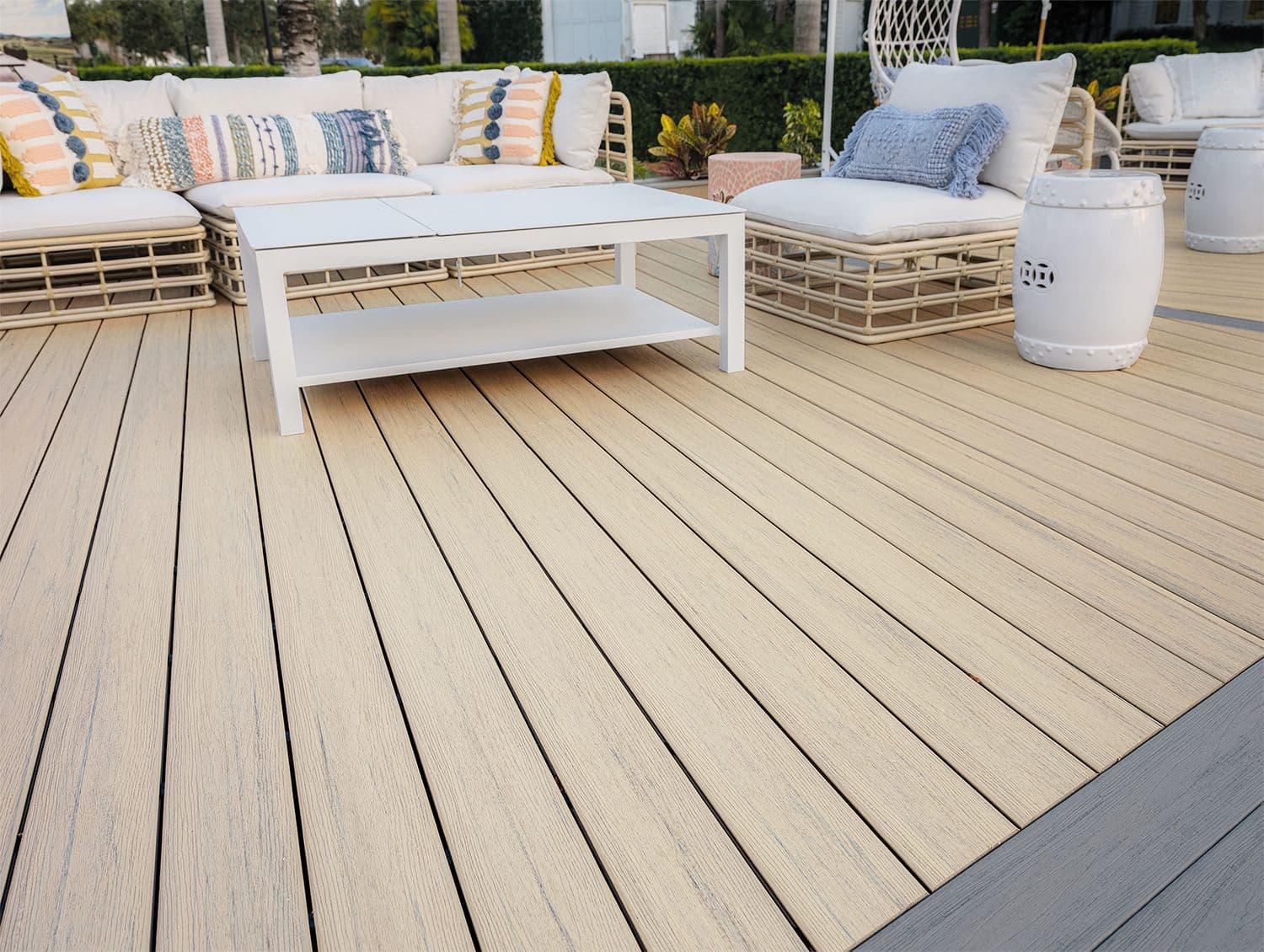
Enjoy the natural look of wood, without the extra work
Get the natural look of wood without spending your summers sanding, staining and sealing your deck.
Midwest Construction & Remodeling designs and builds custom TimberTech composite decks for homeowners throughout Minneapolis, Plymouth and the Twin Cities metro. Whether you are replacing an aging wood deck or adding a completely new outdoor living space, we can help you compare colors, collections, railing systems and design options.
Our team handles the entire project, including design, material selection, permits, structural construction and final installation.
Contact Us

Mon-Fri: 7am-8pm
Sat: 9am-5pm
Sun: Closed