
How Much Does It Cost to Install Vinyl Siding on a 1,500-Square-Foot Home in 2026?
If you’re planning to replace vinyl siding, most 1,500-square-foot homes in 2026 will see total costs ranging from $6,000 to $18,000. Multi-story homes or premium materials may exceed $18,000. Your final cost depends on material grade, labor rates, home complexity, and removal requirements.
Understanding the Cost Breakdown
The three main factors that drive siding costs are materials, labor, and removal/disposal. Each can vary based on local rates, home design, and product choice.
Get Your Free Estimate
1. Materials
Vinyl siding ranges from $1.50 to $5.00 per square foot before installation. Prices vary by thickness, panel style, color, and manufacturing quality.
Basic Vinyl: $4 to $7/sq ft. Standard thickness and colors, reliable weather performance, ideal for budget-conscious projects.
Mid-Grade Vinyl: $6.50 to $10/sq ft. Thicker panels, broader color selection, better dimensional depth. Most common choice for meaningful upgrades.
Premium Vinyl: $9 to $12+/sq ft. Heavier, textured panels resembling natural materials, enhanced impact resistance, and low maintenance.
2. Labor
Installation costs typically range from $ 2.50 to $5.00 per square foot. Complex homes with multiple stories, dormers, or intricate trim require more labor, while single-story homes with simple designs fall on the lower end. Midwest markets like the Twin Cities often fall within this range.
3. Removal and Disposal
Removing old siding and disposing of it usually costs $1,200 to $3,500, depending on the home’s size, siding condition, and local disposal fees. Other potential costs may include:
Permits and inspections
House wrap or weather barriers
Trim, corner, and accessory components
Structural repairs uncovered during removal
Optional insulated panels for energy efficiency
These extras can add 15–25% to your base material and labor costs. Requesting a detailed, itemized quote helps avoid surprises.
Factors That Affect Your Total Cost
Home Design: Structural elements like multiple levels, bay windows, and dormers increase the difficulty of the installation process.
Existing Siding Condition: Removal may reveal water damage, rotted sheathing, or framing issues. Professional contractors often account for potential issues by adding contingencies to their project estimates.
Material Choices: Insulated panels increase upfront cost but can reduce energy bills over time.
Timing: Scheduling during off-peak seasons may improve contractor availability.
Frequently Asked Questions
Typically 20 to 40 years, depending on climate, installation quality, and maintenance. Signs it’s time to replace include warping, cracking, fading, or moisture behind panels.
Yes. It’s low-maintenance and appealing to buyers, though markets that favor natural materials may respond differently.
Yes, but panels become brittle below 40°F. Contractors may schedule installation during winter when conditions allow, which can offer better availability.
It’s possible but not ideal. Full removal allows inspection for damage and ensures long-term performance.
Manufacturer warranties vary. A professional labor warranty, often 10 years, is recommended for installations.
Getting a Vinyl Siding Estimate
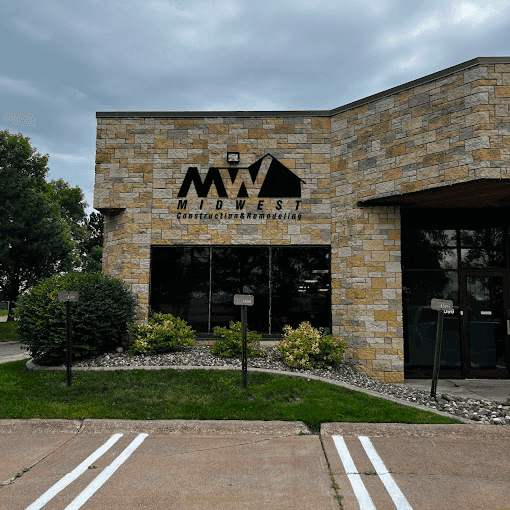
Midwest Construction & Remodeling serves the Twin Cities Metro and Plymouth, Minnesota, offering full vinyl siding replacements using Exterior Portfolio products. We’re a family-owned, local contractor providing free consultations for qualifying siding replacement projects within our service area, financing options, and a 10-year labor warranty.
Check our customer reviews and learn what a full siding replacement entails. Contact us to schedule your consultation and get started.
Pricing estimates reflect 2026 market conditions and may vary by location, home condition, materials, and project scope. For an accurate quote, contact a local contractor.
Contact Us
Mon-Fri: 7am-8pm
Sat: 9am-5pm
Sun: Closed