
TimberTech Composite & PVC Decking:
5 Questions Minnesota Homeowners Ask Before Replacing Their Deck
We replace decks all over the west metro — Plymouth, Maple Grove, Minnetonka, Brooklyn Park, and about 35 miles in every direction from our office. And on almost every first visit, we hear some version of the same five questions.
Most homeowners calling us have a wood deck that's 15 to 25 years old. It's been stained more times than they can count, there are a few soft spots, and they're done sanding splinters out of the kids' feet. They've heard of "composite" and "PVC" and usually assume those are the same thing.
They're not, and the difference matters more here in Minnesota than it does in most of the country. So here are the questions we get asked at nearly every consultation, answered the way we'd answer them at your kitchen table.
Get Your Free Estimate
1. What's the difference between composite and PVC decking?
Composite decking is a blend of recycled wood fibers and plastics — TimberTech's composite boards are roughly 85% recycled material. PVC decking has no wood in it at all. TimberTech calls its wood-free line Advanced PVC, and it includes the Vintage, Landmark, and Harvest collections.
Here's the part most blogs won't tell you: we install mostly Advanced PVC, and it's not close.
That's a Minnesota decision. Your deck spends four or five months a year with snow sitting on it, then goes through weeks of freeze-thaw cycling every spring. Composite is a good product, but it still contains wood fiber — and anything with wood in it can take on some moisture. Advanced PVC has nothing organic in the board. There's simply nothing there for water to work on, which is why it's the board we'd put on our own houses.
We still quote composite regularly, and for some budgets it's the right call. But when a client asks us "what would you do?", Advanced PVC is our answer almost every time.
2. Is TimberTech worth the extra cost over a wood deck?
Wood is cheaper on day one. It is not cheaper over the life of the deck.
A wood deck in our climate needs stain or sealer every two to three years to look decent, and even well-maintained cedar and treated lumber eventually cup, crack, and rot. When we tear off old wood decks, we're usually removing boards that were re-stained four or five times and still failed. Add up 20 years of stain, supplies, and weekends — or paying someone to do it — and the gap between wood and TimberTech gets a lot smaller. Then factor in that the TimberTech deck still looks good in year 20 and the wood deck is on its second round of board replacements.
Rather than quote vague ranges in a blog post, we'll just show you real numbers. We built a free deck pricing tool at mwcrhomes.com/decks — put in your deck size and options and get an actual ballpark for your project before you ever talk to us. No sales call required.
3. How long does TimberTech decking last?
The warranties tell you a lot about how the two lines compare. TimberTech backs Advanced PVC decking with a Limited Lifetime Product Warranty and a 50-Year Fade & Stain Limited Warranty. Its composite lines carry 25- to 30-year product and fade/stain warranties, depending on the collection. Those are some of the strongest warranties in the industry, and it's part of why we standardized on TimberTech in the first place.
But here's what we've learned from years of tear-offs: the board is almost never what kills a deck. The frame is.
We regularly pull up deck boards that look passable from above and find a rim joist you can push a screwdriver through, ledger flashing that was never installed correctly (or at all), and framing that's been quietly rotting for a decade. A lifetime board sitting on a failing frame is not a lifetime deck. That's why every replacement we do starts with the structure, not the surface — more on that in the bonus question below.
4. Does TimberTech get hot, fade, scratch, or stain?
Straight answers, because you'll be barefoot on this thing in July:
Heat. Every decking product gets warm in full sun, and dark colors get hotter than light ones — no brand is exempt. TimberTech states its Advanced PVC runs up to 30 degrees cooler to the touch than comparable competitive boards, and in our experience the lighter Advanced PVC colors are the most comfortable choice for a south- or west-facing deck. If your deck bakes in afternoon sun, tell us — it should influence your color choice.
Fading and staining. This is where TimberTech's warranty coverage does the talking: 50 years on fade and stain for Advanced PVC, 25 to 30 for composite. Grease from the grill, spilled wine, wet leaves sitting all fall — clean it up reasonably soon and you're fine.
Scratches. Nothing is scratch-proof, and we won't tell you otherwise. Dragging cast-iron furniture across any deck will leave a mark. The textured, variegated grain on TimberTech boards hides everyday wear far better than the flat composite boards from 15 years ago, but put pads under heavy furniture. That's honest advice for any deck.
The best way to settle heat and color questions is with real boards. We bring samples to every consultation — leave them out in your sun for an afternoon and touch them at 4 pm. That tells you more than any blog post.
5. How much maintenance does TimberTech actually require?
Low maintenance, not no maintenance. Here's the entire annual routine we give our clients:
- Sweep off leaves and debris, especially in fall before snow
- Rinse the deck and wash occasionally with soap and water or TimberTech DeckCleaner
- Clean up grill grease and spills when they happen
- Keep the gaps between boards clear so water drains
- In winter, use a plastic shovel — never metal — when you clear snow
That's it. No sanding, no staining, no sealing, ever. For most of our clients, that last sentence is the whole reason they called us.
Bonus: Can you keep my existing frame and just replace the boards?
This one comes up on almost every estimate, because reusing the frame saves real money when it's possible. Our answer depends on exactly two things:
First — is the framing structurally reusable? We check joist and beam condition, the ledger connection and flashing at the house, footings, and whether the joist spacing meets TimberTech's installation requirements for the board you've chosen. Rot, undersized framing, or bad spacing ends the conversation.
Second — can the existing structure be grandfathered in under code? This is the part most homeowners have never heard of. An older deck may have been fine when it was built, but stair geometry, railing attachment, ledger fastening, and footing requirements have all changed over the years. In some cases an existing frame can be grandfathered in; in others, the scope of the work triggers bringing things up to current code. We deal with this on real permits every season, and we'll tell you which side of the line your deck falls on before you commit to anything.
One thing we never do: install new decking over the old wood boards. TimberTech is clear on this too — old boards come off first so the structure can be inspected, and layering new over old traps water and creates height and trip problems at doors and stairs.
If your frame passes both tests, great — resurfacing is a legitimate way to save money. If it doesn't, we'll show you why, in your own backyard, before we rebuild it right.
So which TimberTech line is right for you?
If you want our recommendation: Advanced PVC (Vintage, Landmark, or Harvest) is what we install most and what we believe holds up best to Minnesota winters — it's the premium option, and around here it earns it. TimberTech Composite is a strong step below it in price that still eliminates the staining-and-sealing treadmill, with collections at several price points.
The right answer depends on your budget, your sun exposure, how the deck gets used, and what's under it. That's a conversation, not a chart.
Ready to talk about your deck?
Start with a real number: run your project through our free deck pricing tool at mwcrhomes.com/decks.
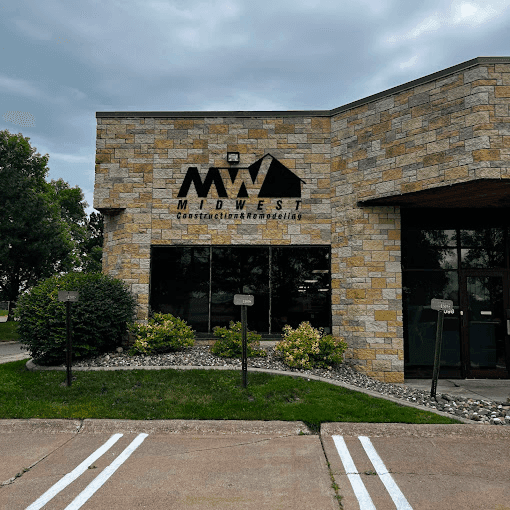
Then, when you're ready, schedule a free consultation at mwcrhomes.com/book-appointment or call us at 763-200-1946. We're Midwest Construction & Remodeling — a family-owned exterior contractor in Plymouth, and deck replacement is one of the five things we do all day, every day. We'll look at your existing structure, bring TimberTech samples you can leave in the sun, and give you a straight answer about what your project should cost.
FAQ Section
Is TimberTech better than wood decking? For most of our clients, yes. TimberTech never needs sanding, staining, or sealing, and it won't splinter or rot. Wood costs less upfront but demands regular maintenance for its entire life — and in Minnesota's freeze-thaw climate, that life is usually shorter than people expect.
Is TimberTech Advanced PVC better than composite? Advanced PVC is the board we install most. It contains no wood fiber at all, carries TimberTech's Limited Lifetime Product Warranty and 50-Year Fade & Stain Warranty, and handles moisture better than any composite — which matters when snow sits on your deck for months. Composite remains a strong lower-cost option.
Does TimberTech decking need to be sealed? No. TimberTech composite and Advanced PVC decking never need sanding, staining, or sealing. Occasional cleaning with soap and water or TimberTech DeckCleaner is all that's required.
Can TimberTech be installed over my old deck boards? No. The old boards need to come off first so the frame can be inspected. Installing over existing boards traps moisture and creates height problems at doors and stairs — TimberTech's own installation guidance says the same.
Can my existing deck frame be reused? Sometimes. It depends on whether the framing is structurally sound and meets TimberTech's installation requirements, and whether the existing structure can be grandfathered in under current code. We evaluate both on every deck replacement estimate.
How much does a TimberTech deck cost in the Twin Cities area? It depends on size, board line, railings, stairs, and site conditions. Get a real ballpark for your specific project with our free pricing tool at mwcrhomes.com/decks.
Contact Us
Mon-Fri: 7am-8pm
Sat: 9am-5pm
Sun: Closed